Indigenous Leadership in British Columbia’s Salmon Farming Industry
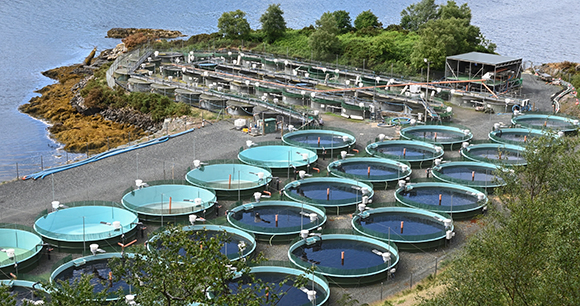
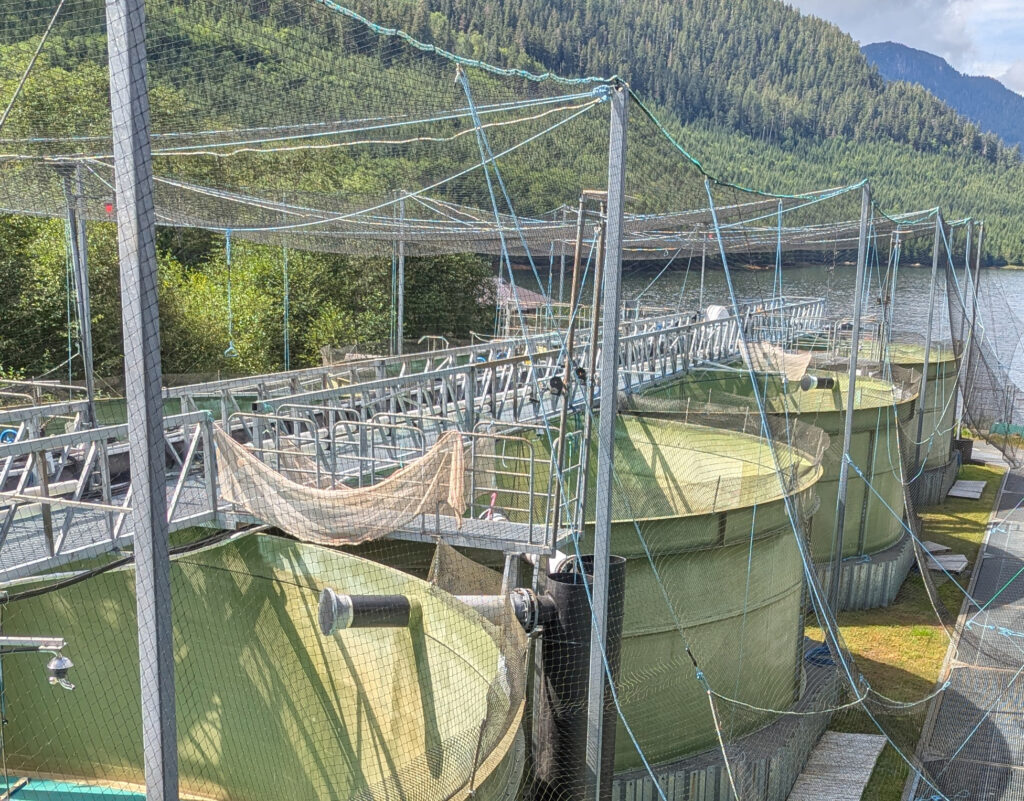
Coastal First Nations in British Columbia are playing a major role in how salmon farming is run in the province. Instead of outside companies making all the decisions, many Indigenous communities are taking control of fish farms in their own territories. They combine traditional knowledge with modern technology to protect the environment and keep jobs in remote communities. As the federal government plans to phase out open‑net pen farms by 2029, Indigenous‑led management is becoming a key model for sustainable aquaculture in BC. This is being done through Indigenous governance, social licence agreements, and community‑led environmental monitoring of fish farms. The changes matter because salmon farming supports thousands of jobs and plays a major role in the provincial economy.

Jobs Matter in Coastal Communities
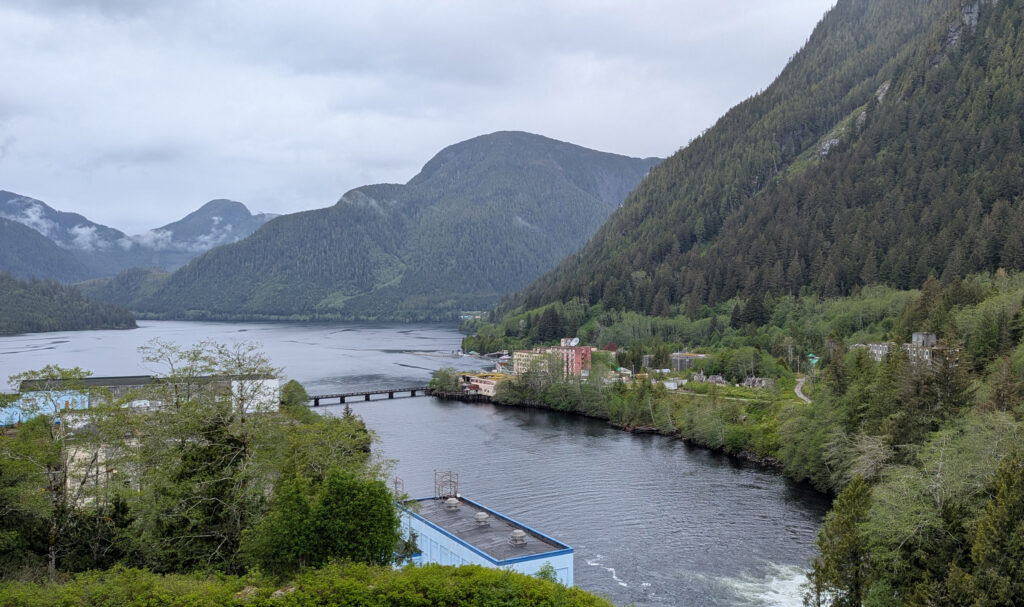
For many remote coastal communities, salmon farming is one of the only steady sources of work. In Klemtu, for example, aquaculture provides close to 90% of local jobs. These jobs allow people to stay in their home communities instead of moving to cities for employment. Isaiah Robinson, Deputy Chief Councillor of the Kitasoo Xai’xais Nation, says salmon farming plays a vital role in coastal communities. “Salmon farming is the backbone of First Nations communities up and down the coast,” Robinson explained (Coalition of First Nations for Finfish Stewardship, 2024).
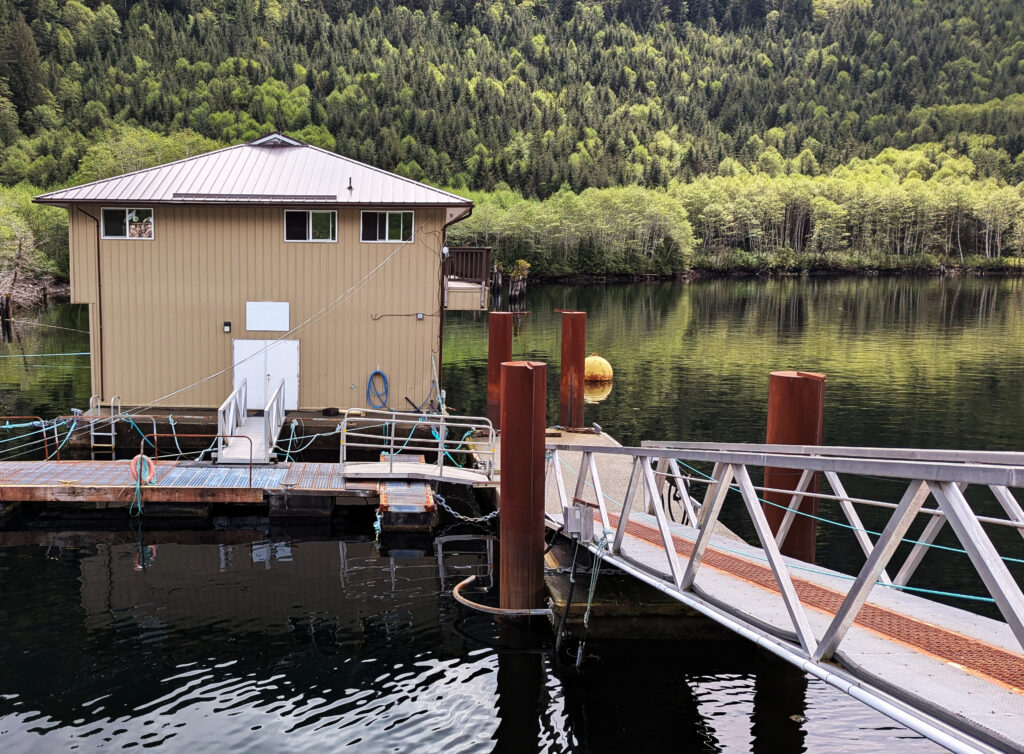
At the same time, these jobs are not coming at the cost of the environment. First Nations such as the Kitasoo Xai’Xais operate under “social licence” agreements, which give them authority to oversee fish farms in their territory. They regularly monitor sea lice levels, water quality, and fish health. These local standards often go beyond federal regulations. Guardian Watchmen are on the water every day, making sure farms follow community rules and protect wild salmon populations at the same time (Kitasoo Xai’xais First Nation, 2024).
Using Traditional Knowledge to Protect the Environment
One main reason why these partnerships work is that they have a “stewardship‑first” approach. This means environmental protection comes before profit. Indigenous knowledge is used to decide where farms are placed and how they are managed. Guardian Watchmen understand local tides, migration routes, and seasonal changes because this knowledge has been passed down for generations.
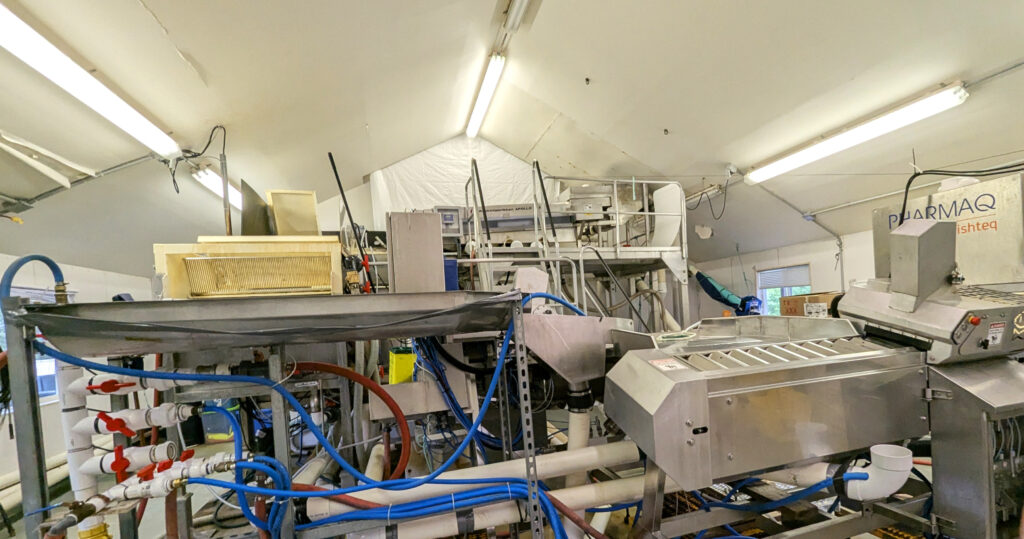
This traditional knowledge is combined with modern technology, such as sensors that track oxygen levels and water temperature. If a farm causes environmental harm or breaks community rules, First Nations have the power to shut it down. This gives real control to the people who live in these territories and depend on the ecosystem for food and culture.
Uncertainty Around the 2029 Transition
Despite these successes, the industry faces uncertainty. The federal government plans to transition away from open‑net pen salmon farms in BC by 2029 due to concerns about the health of wild salmon. Many Indigenous leaders argue that a full ban disregards their strong environmental track record and local governance systems.
Salmon farming is a major industry in BC, contributing about $1.1 billion annually to the BC economy and supporting thousands of jobs. “First Nations are both regulators and developers of this industry,” Smith said, pointing to their ability to protect the environment while supporting economic growth (BC Salmon Farmers Association, 2025). Removing these farms without providing alternatives would heavily impact coastal communities.
Looking Forward
As the 2029 deadline approaches, Indigenous‑led salmon farming is a potential solution to the problem at hand, showing that the environment and economy do not have to be in conflict. By putting stewardship and local control first, British Columbia has the chance to build a sustainable aquaculture industry that supports Indigenous rights, protects wild salmon, and keeps coastal communities alive.
BC Salmon Farmers Association. (2025). Economic impact and transition pathways for BC aquaculture. https://bcsalmonfarmers.ca/transition-report-2025/
Coalition of First Nations for Finfish Stewardship. (2024). Kitasoo/Xai’Xais: Community and economic impact. https://www.firstnationsforfinfish.ca/kitasoo-xaixais/
Kitasoo Xai’xais First Nation. (2024). Resource stewardship. https://klemtu.com/stewardship/
Leave a Reply